
Finding a flexible, accredited K-12 virtual school that truly fits your family can feel overwhelming. You want more than just online classes—you need support, certified teachers online, and a program that adapts to your child’s unique needs. This checklist breaks down exactly what to look for in a flexible online school 2026, guiding you through personalized learning K-12 options that make education work for your life. Ready to get started? Learn more about the best online schools K-12 here.
Evaluating Virtual School Accreditation
Every parent wants the best for their child’s education, and accreditation is a critical component in ensuring quality. But what makes it so important?
Importance of Accreditation
Accreditation guarantees that a school meets specific standards recognized by educational authorities. This ensures the curriculum is robust and that the credits your child earns are transferable. Without it, you risk investing in a program that doesn’t provide recognized credentials, potentially hindering future educational opportunities.
Key Accreditation Indicators
A trustworthy virtual school will proudly display its accreditation status. Look for recognition from regional or national accrediting bodies. These organizations assess schools to ensure they meet high standards in areas like curriculum quality, teacher qualifications, and student services.
Questions to Ask About Accreditation
When evaluating a school, ask: “Who accredits this institution?” and “How often is accreditation reviewed?” These questions help confirm the school’s commitment to maintaining quality standards. Understanding the type of accreditation can guide your choice and provide peace of mind.
Flexibility and Support in Online Education
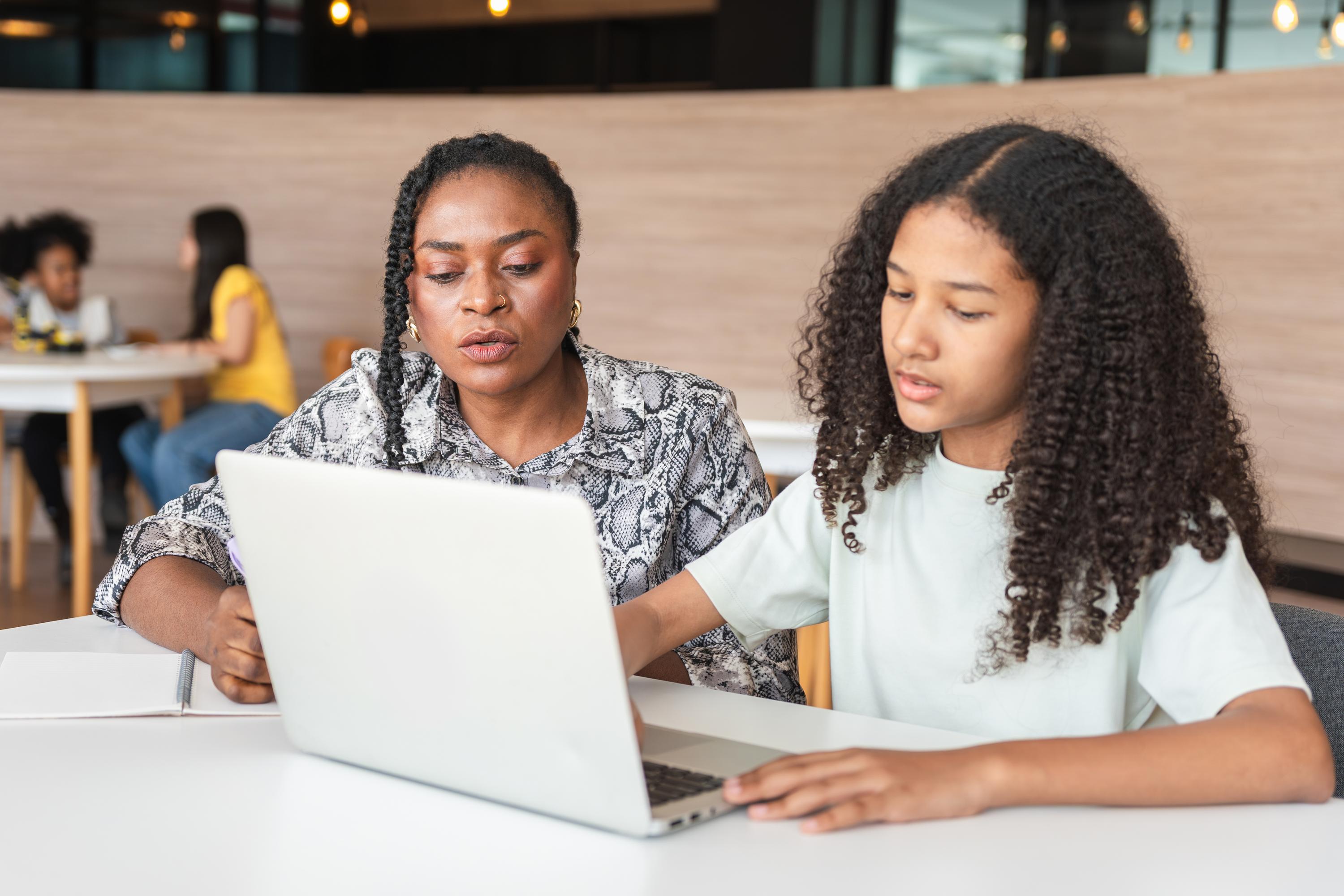
Once accreditation is clear, the next step is understanding how a school supports your family’s unique needs. Flexibility and personalized support are key.
Flexible Learning Options
Virtual schooling should fit your lifestyle, not the other way around. Look for options that allow students to learn at their own pace. Schools like Mighty B Learning, which offer live virtual classes, curriculum-only enrollment, and in-person learning pods, provide various choices to accommodate different learning styles and schedules.
Personalized Learning Plans
Personalized learning plans are vital. They ensure that education is tailored to each student’s strengths and challenges. This approach not only promotes a deeper understanding of the material but also keeps students engaged and motivated.
Parent-Teacher Partnerships
Strong parent-teacher partnerships are the backbone of successful virtual schooling. Look for schools that prioritize communication and collaboration with families. This partnership ensures that parents are involved in their child’s education, helping to create a supportive learning environment.
Technology and Student Success
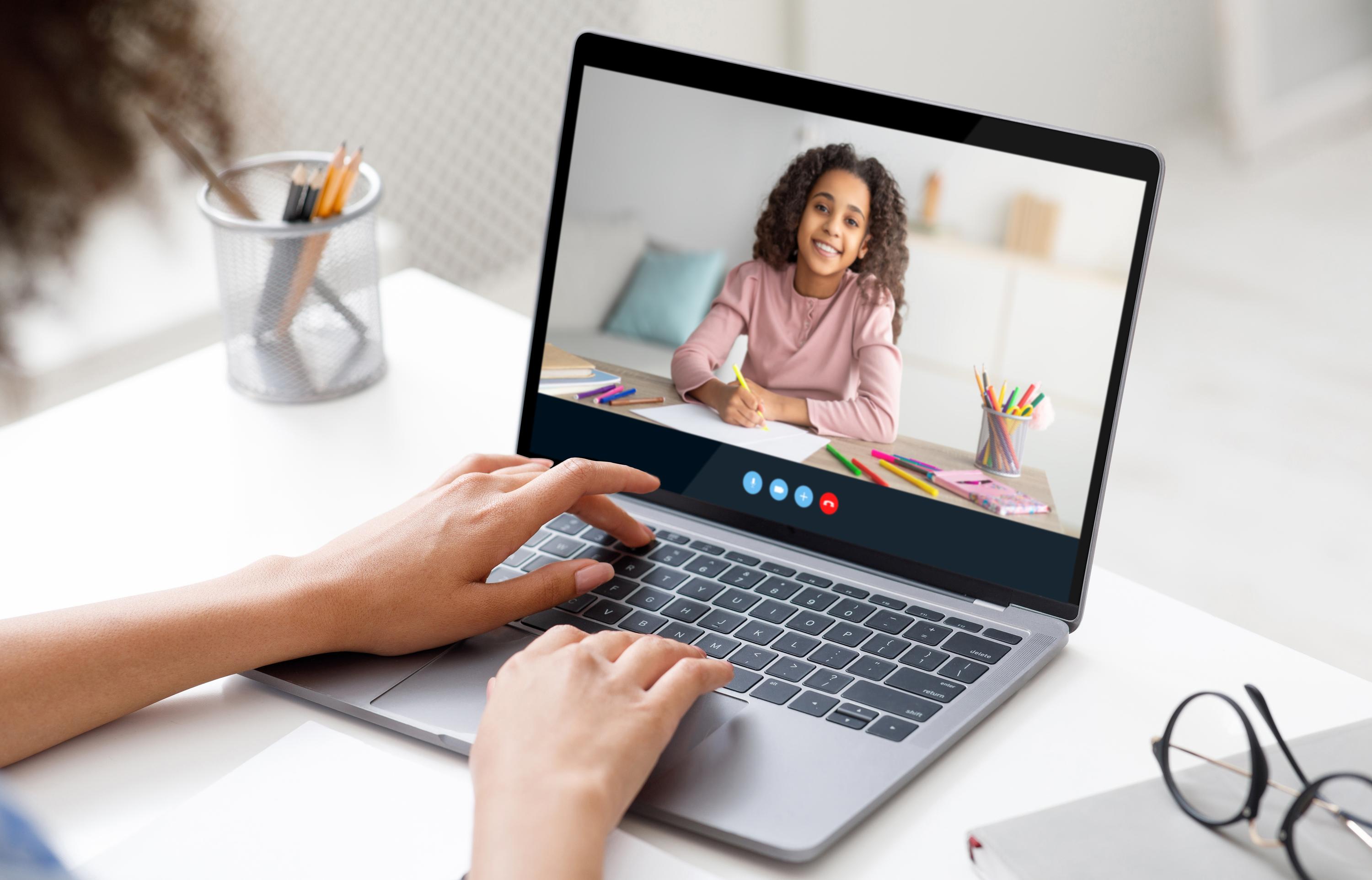
Technology plays a crucial role in virtual education, impacting student engagement and success.
Safe and Engaging Learning Tools
A virtual school should offer a safe and engaging platform where students can explore and learn. This includes interactive tools and resources that keep students interested and motivated. Safety features, like secure login protocols, are also essential for protecting students online.
Certified Teachers and Live Virtual Classes
Access to certified teachers who conduct live virtual classes can make a significant difference. These teachers bring expertise and can provide immediate feedback, enhancing the learning experience. Real-time classes also allow for interaction, fostering a sense of community among students.
Tracking Student Success Rates
Understanding how a school measures success is crucial. Look for institutions that track student progress and have high success rates. This data can give you confidence in the program’s effectiveness, ensuring that your child receives a quality education.
Frequently Asked Questions
What is virtual school accreditation?
Virtual school accreditation is a process that evaluates the quality of education provided by online schools. Accredited schools meet specific standards, ensuring that their curriculum and services are recognized by educational authorities.
How do personalized learning plans work?
Personalized learning plans tailor the educational experience to individual student needs. They consider a student’s strengths and areas for improvement, allowing for a more customized and effective learning journey.
Why is a parent-teacher partnership important in virtual schooling?
Parent-teacher partnerships are vital because they foster communication and collaboration. This partnership ensures that parents are involved in their child’s education, creating a supportive learning environment that enhances student success.
What should I look for in a virtual school’s technology offerings?
Look for a safe, engaging platform with interactive tools and secure login protocols. The technology should encourage student engagement and protect their online safety.
How do I know if a virtual school is right for my child?
Evaluate accreditation, flexibility, support, technology, and success rates. Consider if the school’s offerings align with your child’s learning style and your family’s needs.