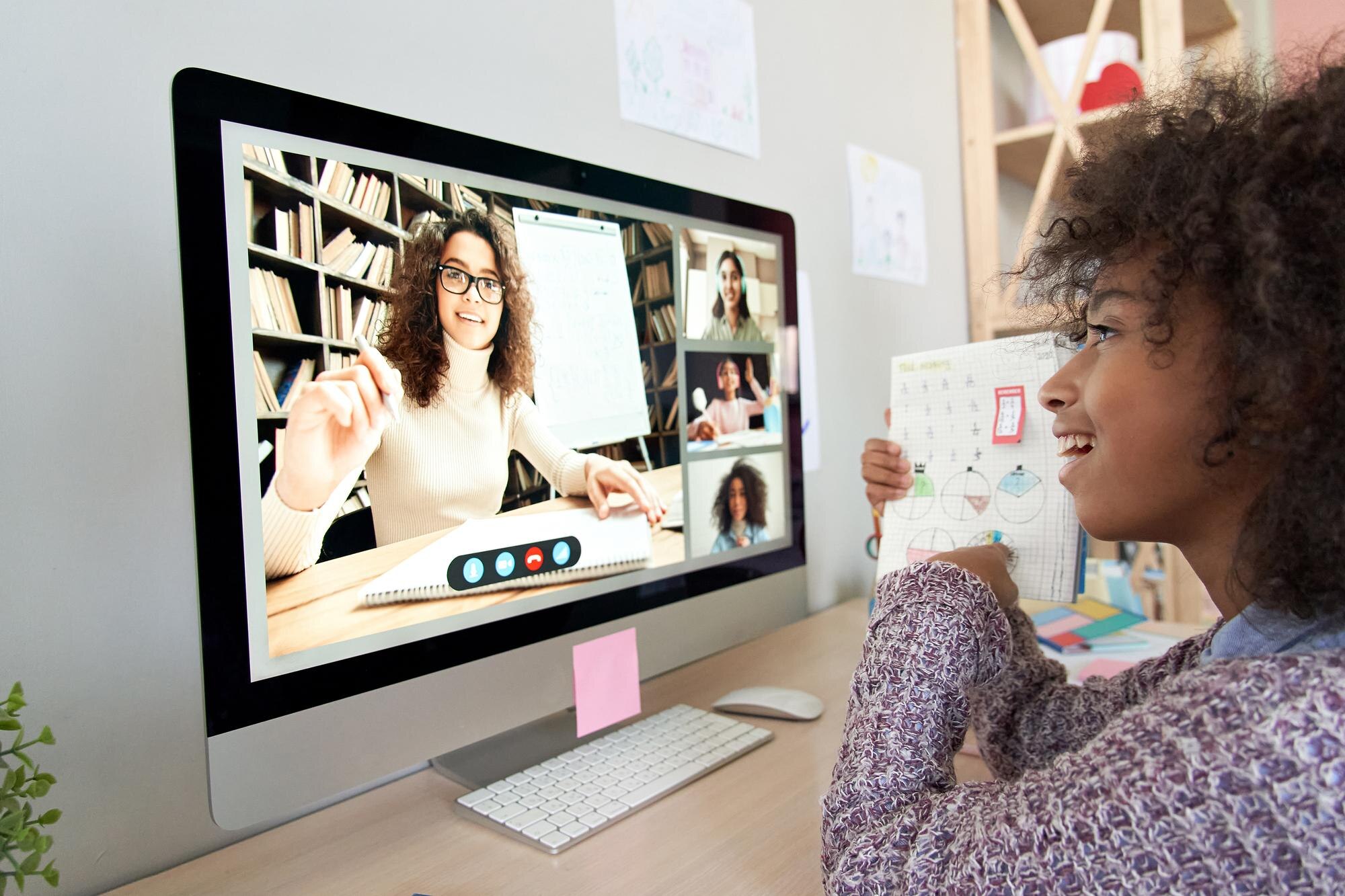
Fun Ways to Stay Connected with Teachers Online: Building Bridges in Virtual Learning
Online education often feels like a wall between students and teachers instead of a bridge. When your child’s teacher feels distant, learning can lose its spark. But strong teacher-student connection doesn’t have to fade in virtual learning. Let’s explore simple, fun ways to keep those connections alive and make online education a truly engaging experience for your family. For more tips, check out this resource.
Creative Communication Tools
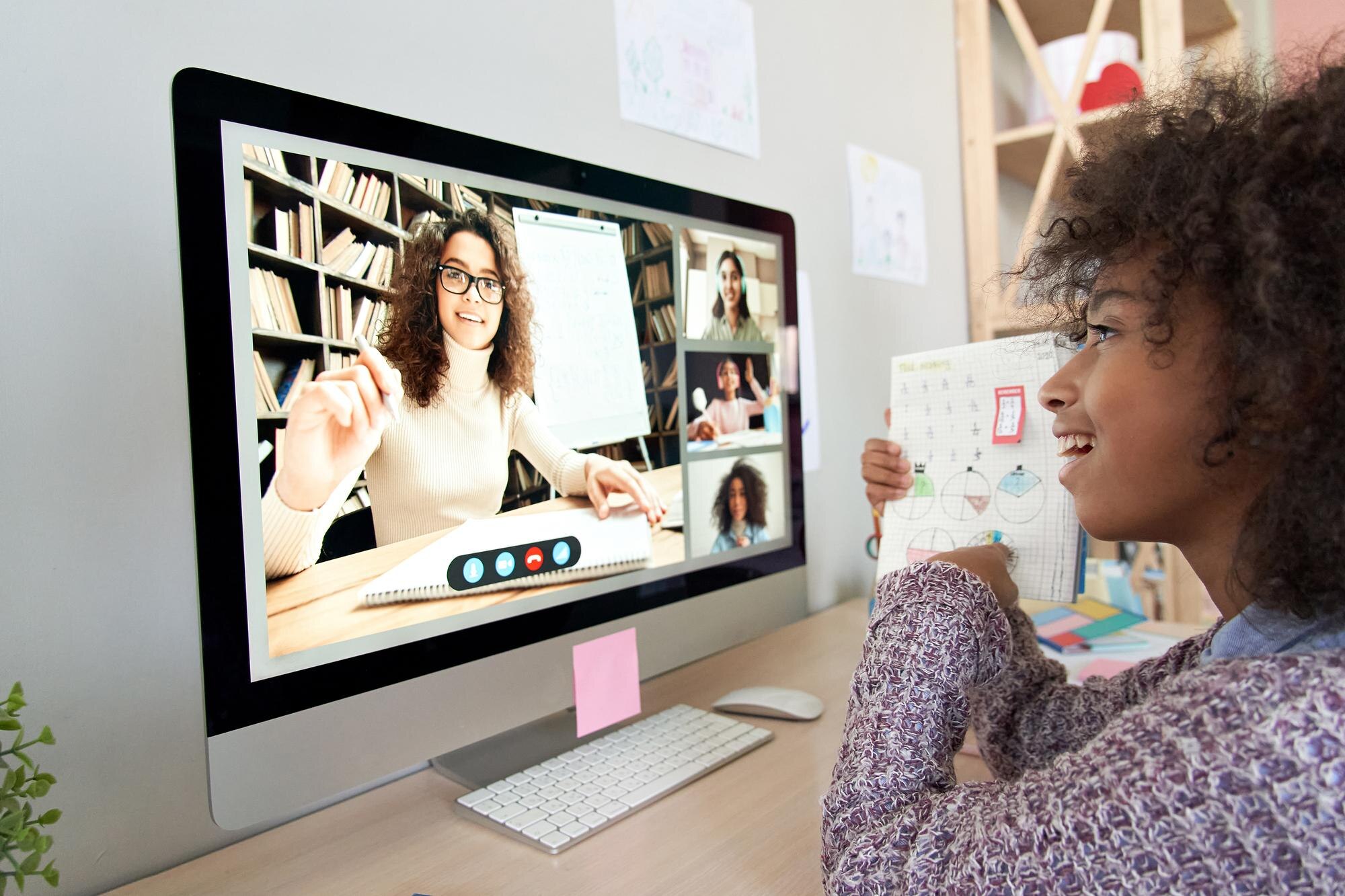
Creating bridges in virtual learning starts with communication. Let’s dive into two engaging ways to connect beyond typical methods.
Virtual Pen Pals
Imagine your child eagerly anticipating a message from their teacher each week. Virtual pen pals can foster this excitement. This concept isn’t just for friends or relatives; it applies to teachers too. Your child can write emails or messages to their teacher, sharing thoughts or questions about lessons. Not only does this keep communication open, but it also strengthens writing skills.
Teachers, in response, can craft thoughtful replies that address questions and offer encouragement. This exchange helps build a more personal connection, making students feel valued. If you’re unsure where to start, Curiosity Encouraged offers some great ideas on initiating these exchanges.
Video Message Fun
Video messages are another fantastic way to maintain a connection. Teachers can record short videos greeting students, sharing praise, or providing feedback on assignments. These messages give students a sense of presence and attention—a crucial element in virtual learning.
Encourage your child to create response videos. It could be a simple thank you or a question about a lesson. Producing these videos can also enhance creativity and confidence. Plus, they’re a great way for students to express themselves when words on a page don’t suffice. This two-way exchange makes learning more dynamic and personal.
Interactive Online Activities

Keeping students engaged goes beyond communication—it’s about active participation. Here are ways to make online learning interactive and fun.
Virtual Storytime Sessions
Storytime isn’t just for young kids. Virtual storytime sessions can engage students of all ages. Teachers can read aloud from books related to the curriculum, sparking curiosity and interest in the subject. Through video conferencing, these sessions become interactive, with students asking questions or discussing themes.
Consider incorporating stories relevant to current lessons. This approach not only enhances understanding but also makes learning more relatable. Plus, sharing stories encourages a love for reading and storytelling—valuable skills in any educational journey. For more on creating engaging sessions, visit Katie L. Martin’s blog.
Collaborative Art Projects
Art projects can be a powerful tool for connection. Virtual platforms allow students to collaborate on projects, sharing ideas and creations with their peers. This interaction not only nurtures creativity but also builds teamwork skills. Choose projects that relate to current topics or encourage self-expression.
Students can work on pieces individually, then bring them together as a class. This method fosters a sense of community and shared purpose. It’s also a great way to celebrate individual talents within a group setting. The joy of creation and collaboration is something that translates well, even in a virtual environment.
Strengthening Classroom Community

Building a strong classroom community is essential for virtual learning success. Here’s how to create a supportive and engaging environment.
Engaging Virtual Classes
Engaging virtual classes are the backbone of effective online education. It’s not just about delivering content but ensuring students are active participants. Use interactive tools like polls, quizzes, and breakout rooms to keep students involved. This approach turns passive listeners into active learners.
Incorporate regular check-ins with students to gauge understanding and provide support. This strategy helps maintain motivation and prevents students from feeling isolated. For more creative engagement strategies, explore resources on Symonds Research.
Personalized Education Plans
Tailoring education to meet individual needs is crucial. Personalized education plans help address each student’s strengths and challenges. Collaborate with teachers to set goals that are specific and achievable. This ensures that learning is not only effective but also enjoyable.
By focusing on individual growth, students gain confidence in their abilities. They become more invested in their education, leading to better outcomes. This personalized approach is a key benefit of virtual learning, allowing flexibility and customization to thrive.
In conclusion, maintaining strong teacher-student connections in an online setting is possible with creativity and dedication. By using communication tools, interactive activities, and personalized plans, you can create a vibrant and engaging learning environment for your child. Remember, the longer you wait to implement these strategies, the more opportunities for connection are lost. Embrace these methods today to enhance your child’s educational experience.